
The Hidden Reason Good Builders Go Broke

The Hidden Reason Good Builders Go Broke Most builders don’t fail from lack of work—they fail from too much of the wrong kind. Here’s something nobody talks about at industry conferences: The most dangerous time for a construction company isn’t when work dries up. It’s when the phone won’t stop ringing. Sounds backwards, right? But the data tells a different story. Nearly 40% of construction companies fail within five years of starting. Over half don’t make it to ten. And the ones that collapse aren’t usually the companies scraping for work. They’re the ones drowning in it. The question is: why? The Problem Isn’t Sales. It’s Structure. Most builders start the same way. You’ve got a skill, some grit, and enough cash from savings—or maybe a loan from family—to get rolling. You do good work. Word spreads. Projects come in. And then something shifts. You hit a revenue number—usually somewhere between $3 million and $10 million—where everything that used to work suddenly doesn’t. The systems you ran on instinct start breaking. The crew you trusted can’t keep up. And your cash? It’s spread across three projects, tied up in retainage, waiting on draws that won’t hit for another 45 days. You’re busier than ever. And you’re bleeding. This is where most builders make the mistake that eventually kills them: they chase more work to fix the cash problem. It never works. You can’t out-revenue a structural problem. The Cash Flow Trap Nobody Warned You About Construction is unlike almost any other business when it comes to cash. You’re financing jobs before you get paid. You’re covering payroll while waiting on architects to approve invoices. You’re sitting on 10% retainage for months—sometimes years—after the work is done. And here’s the kicker: the bigger the job, the worse it gets. That $2 million project you just landed? It might require $300,000 in working capital before you see your first draw. Where does that come from? For most builders, it comes from the next project. And the one after that. Until you’re juggling so many balls that one slow-paying client sends the whole thing crashing down. The industry has a name for this: “growing broke.” And it’s more common than anyone admits. Why Traditional Solutions Fall Short So you go looking for help. What do you find? Banks want two years of perfect financials and collateral you don’t have. They’re underwriting your past, not your potential. Private equity wants majority control and a 3-5 year exit. They’re not building your company—they’re flipping it. Venture capital? Doesn’t even look at construction. Too slow-moving. Too capital-intensive. Not “scalable” enough for their models. You’re left with options designed for industries that don’t understand how construction actually works. Terms that don’t account for retainage. Partners who’ve never managed a draw schedule or dealt with a GC who pays 90 days late. Is it any wonder so many good builders end up overleveraged or owned by people who don’t know the difference between a punch list and a pay app? The Question Nobody Asks Here’s what I’ve learned from watching this pattern play out: The builders who survive the growth phase aren’t the ones who work harder or bid lower or find the magic banker who “gets it.” They’re the ones who ask a different question. Instead of “How do I get more capital?” they ask: “How do I structure my capital so it actually fits how I build?” That’s not a minor distinction. It’s the whole game. Because capital from someone who’s never run a crew or sweated out a weather delay is just… money. It comes with terms designed for spreadsheets, not jobsites. It creates pressure to grow faster than your systems can handle. It turns owners into employees of their own companies. Capital from someone who understands the rhythm of construction—who knows why you can’t just “bill faster” or “tighten up receivables”—is something else entirely. It’s infrastructure. It’s breathing room. It’s the difference between scaling smart and scaling broke. What Good Capital Actually Looks Like The right capital partner isn’t going to hand you a term sheet on the first call. They’re going to ask questions: What does your project pipeline actually look like? Where are your cash crunches hitting—mobilization, mid-project, close-out? What would change if you didn’t have to take every job just to cover the ones you’re already running? They’re going to understand that construction businesses don’t need growth capital the way tech startups do. You don’t need someone betting on 100x returns in five years. You need a partner who can bridge the cash gaps that come with building something real—and who won’t disappear when things get bumpy. Because things always get bumpy. The Bottom Line If you’re a builder hitting that uncomfortable growth ceiling—too busy to breathe, too stretched to take on the work that could actually move you forward—know this: the problem isn’t that you need to work harder. The problem is structural. And structural problems require structural solutions. Not more hours. Not more bids. Not capital from people who’ve never built anything. The right partner. The right structure. And the patience to build something that lasts. Because good builders don’t go broke from lack of work. They go broke from building on the wrong foundation. — If you’re a builder navigating growth and want to talk through what strategic capital could look like for your situation, reach out. No pitch—just a conversation about what’s actually working in the market right now.
The Capital Ceiling: Why Successful Builders Are Choosing Partnership Over Going It Alone
How established custom builders are breaking through growth barriers without taking on crushing debt or losing their identity You’ve built something real. After years of perfecting your craft, managing crews, and delivering quality homes, you’ve established a reputation in your market. Your phone rings with referrals. You’ve got a backlog. On paper, you’re successful. But if you’re honest, you’re also stuck. Every new project requires you to float materials and labor costs for months. You’re turning down larger, more profitable jobs because you can’t front the capital. Your best lead carpenter just left to start his own company because you couldn’t offer equity or benefits competitive with the big builders. And you’re spending more time chasing invoices and managing insurance requirements than actually building. You’re not failing—you’ve hit what we call the capital ceiling. The Four Walls Every Independent Builder Eventually Hits 1. The Working Capital Trap Here’s the math that keeps builders awake at night: A $800,000 custom home requires roughly $200,000–$300,000 in working capital before you see your first draw. Multiply that by 3-4 active projects, and you need $600K–$1.2M in liquid capital just to operate. Most builders solve this by: None of these are growth strategies—they’re survival tactics. The Partnership Solution: When you join a well-capitalized building ecosystem, working capital becomes a non-issue. You get immediate access to credit facilities and cash reserves that allow you to take on more projects simultaneously without personal financial risk. Suddenly, the question isn’t “Can we afford to take this job?” but “Is this the right job for us?” 2. The Talent Retention Problem Your best project manager just got an offer from a national builder: $95k salary, full benefits, 401(k) match, and profit sharing. You pay him well—maybe $75k—but you can’t compete with the benefits package. And you definitely can’t offer equity because your company isn’t structured for it. This isn’t a one-time problem. It’s happening across every skilled role. Talented people want stability, benefits, and a path to ownership. As an independent builder, you can rarely provide all three. The Partnership Solution: Acquisition or partnership with a larger entity immediately gives your team access to enterprise-level benefits, retirement plans, and clear advancement paths. Your best people can stay with “your” company (keeping the brand and culture they love) while getting the compensation and security they deserve. You stop losing talent to bigger competitors. 3. The Administrative Quicksand You became a builder because you love building. Instead, you spend half your week on: Every hour spent on administration is an hour not spent on the work that actually makes you money. And hiring someone to handle it? That’s another $60K–$80K in overhead before you see any return. The Partnership Solution: A strategic acquirer brings established back-office infrastructure—accounting systems, HR compliance, insurance programs, marketing support, and technology platforms already paid for and operating. You immediately shed the administrative burden and can focus on what you do best: building exceptional homes. The infrastructure handles itself. 4. The Succession Dilemma If you’re over 50, you’ve thought about this: What’s my exit strategy? Maybe you hoped a key employee would buy you out. But they don’t have $2–4M sitting around, and banks won’t finance a 100% acquisition of a small construction company. Maybe you thought about selling to a competitor, but they’re facing the same challenges you are. Meanwhile, your company’s value is locked up in your reputation and relationships. If you can’t transfer those, what are you actually selling? The Partnership Solution: A well-structured acquisition gives you immediate liquidity while allowing you to stay involved as long as you want. You get capital now, your legacy is preserved, and your team keeps their jobs. The acquirer isn’t buying you out to shut you down—they’re investing in your expertise while providing the infrastructure to scale what you’ve built. What Smart Partnership Actually Looks Like Not all “partnership opportunities” are created equal. Many amount to referral networks or consulting relationships that don’t solve your actual problems. Here’s what a real strategic acquisition/partnership should provide: Immediate Capital Access Operational Infrastructure Talent Development Brand Preservation The Habicon Approach: Capital + Infrastructure + Legacy At Habicon, we’ve spent a century learning that great building companies are built on relationships, reputation, and relentless quality. We’re not looking to erase what you’ve built—we’re looking to amplify it. When we acquire a builder: You get immediate liquidity. Cash at closing, not an earn-out stretched over 5 years with impossible targets. Your team gets stability. Benefits, career paths, and the security of a larger organization. You keep your identity. Your company name, your standards, your client relationships. You gain infrastructure. Our back-office systems, capital resources, and operational support eliminate the administrative burden. You maintain purpose. Many of our partners stay involved in leadership, training the next generation and taking on the projects they’re most passionate about—without the financial stress. We’re not building a generic construction company. We’re building an ecosystem of exceptional builders who share a commitment to quality and want the resources to do their best work without the capital constraints and administrative burden of going it alone. Is This Right for Your Company? Strategic partnership or acquisition isn’t for everyone. But it might be right for you if: The builders who thrive in partnership are the ones who’ve built something valuable and want to see it grow beyond what they can achieve alone. Let’s Have the Conversation We’re not interested in pressuring anyone into a decision that isn’t right for them. But if you’ve felt the capital ceiling—if you know your company could do more with the right infrastructure behind it—let’s talk. No obligations. No sales pitch. Just an honest conversation about what partnership could look like for your specific situation.
5 Custom Home Design Mistakes That Utah Families Regret (And How to Avoid Them)

Your custom home design looks perfect on paper. The kitchen flows beautifully into the great room, the master suite feels like a luxury retreat, and those floor-to-ceiling windows will frame Utah’s stunning mountain views perfectly. But three years later, you’re already planning renovations to fix what seemed like great ideas at the time. After nearly a century of building custom homes across Utah, we’ve seen the same design regrets surface again and again. The good news? They’re all preventable with the right guidance upfront. Mistake #1: Ignoring Utah’s Intense Sun The Dream: Wall-to-wall windows facing those incredible Wasatch Mountain views. The Reality: Furniture fading, air conditioning bills through the roof, and afternoon glare that makes your great room unusable during peak summer months. Utah-Specific Challenge: Our high altitude and low humidity create sun intensity that East Coast transplants don’t expect. What works in Atlanta becomes unbearable in Salt Lake City. The Smart Solution: Strategic window placement with proper overhangs, UV-filtering glass, and interior design that works with—not against—natural light patterns. We help families capture views while controlling heat and glare. Mistake #2: Underestimating Storage Needs The Dream: Clean, minimalist spaces with hidden storage that keeps everything organized. The Reality: Seasonal gear, sports equipment, and Utah’s outdoor lifestyle essentials overflowing into living spaces within months. What Families Forget: Utah living means skis, hiking gear, camping equipment, and seasonal clothing. Plus, kids accumulate belongings faster than parents anticipate. The Smart Solution: Purpose-built storage for Utah lifestyles. Mudrooms with ski storage, gear closets with ventilation, and basement layouts that actually accommodate growing families’ needs. Mistake #3: Open Concept Everywhere The Dream: Flowing, open spaces that feel grand and modern. The Reality: Cooking smells in the living room, kids’ homework competing with dinner conversations, and zero quiet spaces for phone calls or focused work. The Hidden Cost: Heating and cooling open concepts costs significantly more, especially with Utah’s temperature swings. The Smart Solution: Strategic separation without losing flow. Pocket doors, partial walls, and thoughtful sight lines that give you flexibility without sacrificing functionality. Mistake #4: Trend-Chasing Over Timeless Design The Dream: The latest Pinterest-perfect design that makes your home Instagram-ready. The Reality: Farmhouse sinks that don’t fit your lifestyle, barn doors that sacrifice privacy, and “statement” elements that feel dated within five years. Utah Reality Check: Resale values matter, especially in communities where homes change hands frequently due to job relocations. The Smart Solution: Classic foundations with trendy accents that can evolve. Choose timeless materials and layouts, then add personality through easily changeable elements. Mistake #5: Forgetting Future Family Changes The Dream: Designing for your family exactly as it is today. The Reality: Babies become teenagers who need different spaces. Parents age and prefer single-level living. Extended family visits become extended stays. What We’ve Observed: Families who think five years ahead make better long-term decisions than those focused solely on current needs. The Smart Solution: Flexible spaces that adapt. Bonus rooms that convert from playrooms to teen hangouts to home offices. Main-level guest suites that future-proof for aging parents. The Utah Advantage: Local Experience Matters National builders often apply cookie-cutter solutions that don’t account for Utah’s unique lifestyle and climate demands. Our family has been building here for nearly 100 years—we understand how Utah families actually live. What Local Experience Provides: Design Process That Prevents Regrets Our design consultation goes beyond pretty pictures to real-life functionality: Lifestyle Analysis: How does your family actually use space? What are your pain points in your current home? Future Planning: What changes do you anticipate in the next 10 years? Career shifts, family growth, aging parents? Utah-Specific Considerations: How will seasonal activities, entertaining patterns, and climate impact your daily experience? Budget Reality Check: Which design elements provide lasting value versus short-term satisfaction? Your Forever Home Starts with Smart Decisions The best custom home design balances your dreams with practical wisdom. It anticipates your family’s evolution while honoring how you live today. Most importantly, it reflects Utah’s unique opportunities and challenges. Ready to design a home you’ll love for decades, not just years? Our team brings nearly a century of Utah building wisdom to every design decision.
“When Will My House Be Done?” The Real Timeline for Custom Homes in Utah
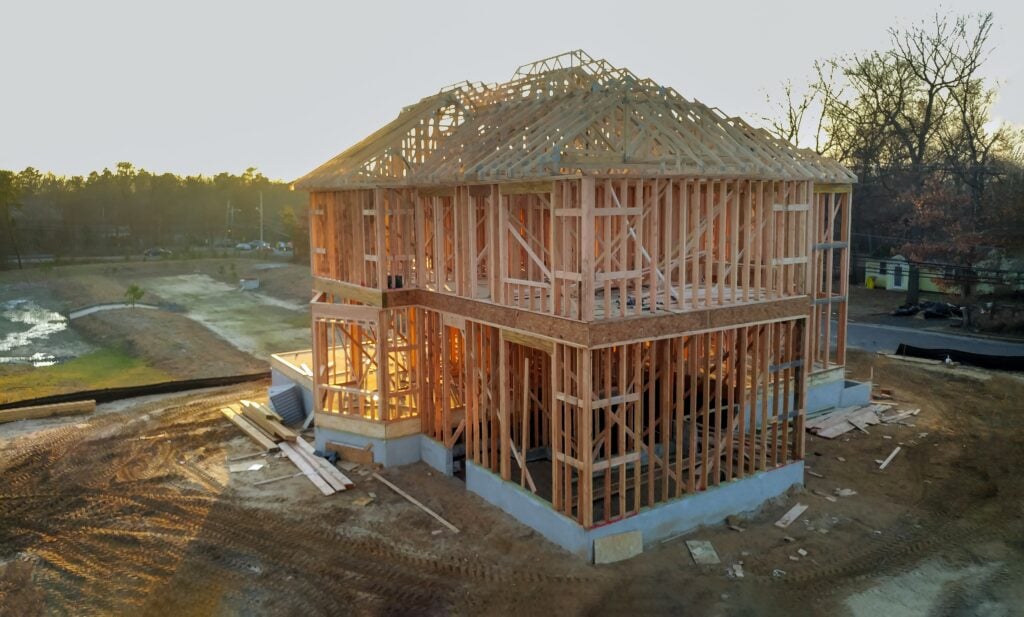
It’s the question every custom home family asks, and the one most builders avoid answering directly. Between optimistic sales promises and industry-wide delays, realistic timeline expectations have become the exception, not the rule. After building custom homes in Utah for nearly 100 years, here’s what you actually need to know. The Honest Answer: 8-14 Months (Here’s Why) Unlike production builders working in controlled environments with pre-approved plans, custom homes face unique variables that impact timing. Weather, permit processing, material availability, and site-specific challenges all play a role. But here’s what separates professional builders from the rest: We plan for these variables instead of pretending they don’t exist. Phase-by-Phase Breakdown Pre-Construction: 6-12 Weeks Habicon Advantage: Our relationships with local permit offices and pre-approved plan modifications streamline this phase considerably. Site Preparation: 1-3 Weeks Utah Reality Check: Clay soils and rocky terrain can extend excavation timelines. Spring thaw and winter freezes pause foundation work entirely. Foundation and Framing: 3-6 Weeks Weather Impact: This is where Utah’s seasons matter most. Winter framing is possible but slower. Summer heat actually speeds certain processes. Systems and Insulation: 4-6 Weeks Finishes and Final: 8-12 Weeks What Causes Delays (And How We Prevent Them) Permit Hold-Ups Common Problem: Incomplete submissions or design changes during review. Our Solution: Pre-submission reviews with building departments and experienced plan preparation. Material Delays Common Problem: Special-order items arriving weeks late. Our Solution: Early ordering with built-in buffer time, plus backup options for critical items. Weather Disruptions Common Problem: Unrealistic scheduling that doesn’t account for Utah’s climate. Our Solution: Seasonal planning that works with nature, not against it. Change Orders Mid-Build Common Problem: Design changes after construction begins. Our Solution: Thorough pre-construction planning and clear change order policies. The Utah Seasonal Strategy Smart Utah builders work with the climate, not against it: Spring (March-May): Ideal for excavation and foundation work as ground thaws. Summer (June-August): Peak building season for framing and exterior work. Fall (September-November): Perfect for interior finishes and final work. Winter (December-February): Interior work continues, but site prep pauses. Planning Tip: Starting design and permits in winter sets you up for ground-breaking in spring—the optimal timeline for Utah builds. Red Flags: When Builders Promise the Impossible Be wary of any builder promising: Professional builders give ranges, not false certainties. The Habicon Promise: Realistic Timelines, Real Communication We’ve learned that honest timelines with regular updates beat overly optimistic promises that create disappointment. Our project management system provides: Your Timeline Starts with Your First Call Understanding realistic timelines helps you plan everything from lease renewals to school enrollment. Don’t let timeline surprises derail your family’s plans. Ready to start your journey with a builder who tells you the truth from day one?
Found the Perfect Lot? 5 Critical Questions That Could Save You $50,000
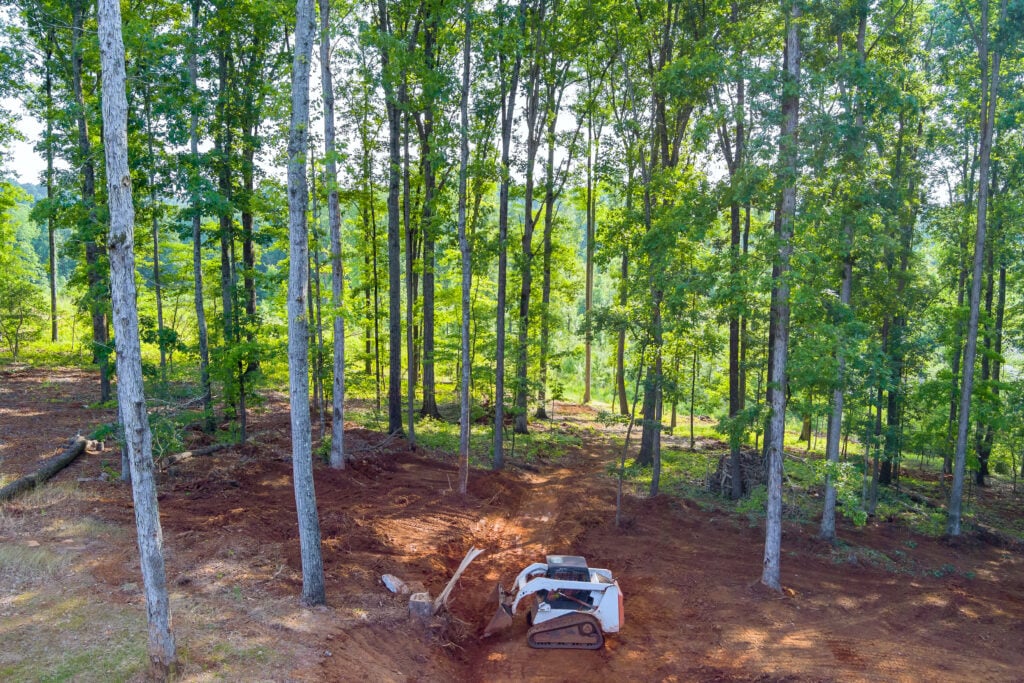
That hillside lot with stunning valley views just hit the market. The price seems reasonable, the location is perfect, and you can already picture your dream home nestled into the landscape. But before you make an offer, there are five critical questions that separate smart buyers from costly mistakes. 1. What’s Really Included in the Purchase Price? Not all lots are created equal. Some come “build-ready” with utilities, proper access roads, and cleared building sites. Others are raw land that will require tens of thousands in preparation work. The Reality Check: We’ve seen families purchase “affordable” lots only to discover they need $30,000 in utility hookups, $15,000 in road improvements, and another $20,000 to level a building site. That “bargain” lot just became the most expensive part of their project. What to Look For: Water, sewer, electrical, and gas accessibility. Road access that meets county requirements. Soil conditions suitable for your foundation type. 2. Will Your Dream Design Actually Fit? Utah’s diverse terrain means every lot has unique constraints. Setback requirements, slope limitations, and view corridor restrictions can dramatically impact what you can actually build. Real Example: A client fell in love with a lot in Park City, envisioning a sprawling ranch-style home. County setback requirements and slope restrictions meant only a narrow, three-story design would work. The lot was beautiful, but incompatible with their vision. Habicon’s Approach: We analyze every potential lot against your design goals before you make an offer. Our site evaluation identifies opportunities and limitations upfront, not after contracts are signed. 3. What Will Utilities Actually Cost? “Utilities available” doesn’t mean “utilities included.” The distance from existing lines to your building site can mean the difference between a $5,000 hookup and a $25,000 infrastructure project. Hidden Costs to Consider: 4. How Will Weather and Terrain Affect Your Timeline? Utah’s mountain lots often come with seasonal building restrictions. Clay soils, steep grades, and high elevation can add months to your timeline and thousands to your budget. What We’ve Learned: A lot that looks perfect in July might be inaccessible in January. Soil that seems solid in dry conditions might become unstable during spring thaw. These aren’t deal-breakers, but they’re factors that smart builders plan for from day one. 5. What’s the Total Cost of Ownership? Purchase price is just the beginning. HOA fees, special assessments, property taxes, and ongoing maintenance can significantly impact your long-term budget. Consider: Mountain lots might require special road maintenance fees. Gated communities often have substantial HOA dues. Properties with wells need ongoing water testing and system maintenance. The Habicon Advantage: Expertise Before You Buy For nearly 100 years, our family has been evaluating Utah lots and understanding their potential. We don’t just build homes—we help families make smart land decisions that set their entire project up for success. Our Free Lot Evaluation includes: Because the right lot makes everything else easier. Ready to Find Your Perfect Building Site? Don’t let excitement override due diligence. Whether you’ve found a potential lot or need help identifying the perfect site, our team brings nearly a century of Utah building expertise to your decision. Your legacy starts with the right foundation—literally.
The Hidden Costs of “Cheap” Custom Home Builders: What Every Utah Family Needs to Know

You’ve found the perfect lot. Your design dreams are taking shape. Now comes the crucial decision: choosing a builder. That low-ball estimate might look tempting, but experienced families know that the cheapest bid rarely delivers the best value. Why “Cheap” Builders Cost More in the Long Run After nearly 100 years in the Utah building industry, we’ve seen the same story repeat: families lured by unrealistic low bids who end up paying far more than they budgeted. Here’s how it typically unfolds: Change Orders Pile Up. That $450,000 quote becomes $550,000 once “unforeseen” costs emerge. Foundation issues, permit delays, and “upgraded” materials that were actually standard all along. Timeline Delays Cost Money. When your builder disappears for weeks or materials arrive late, you’re stuck paying for temporary housing, storage, and mounting stress. Quality Shortcuts Show Later. Cheap builders cut corners you can’t see until years later—poor insulation, substandard electrical work, or foundation issues that cost tens of thousands to fix. The Habicon Difference: Transparency from Day One Our fixed-price contracts aren’t just promises—they’re backed by nearly a century of experience. When we walk your lot and provide an estimate, it includes everything: permits, materials, labor, and even potential soil complications our team spots during the initial evaluation. Real-time tracking means you know exactly where your money goes. Weekly check-ins keep you informed, never surprised. Quality control backed by four generations of craftsmanship ensures your investment lasts for generations. Questions Every Family Should Ask Before signing with any builder, ask these crucial questions: The right builder will welcome these questions. The wrong one will dodge them. Your Legacy Deserves Better Building a custom home isn’t just about getting the lowest price—it’s about creating a legacy for your family. Choose a partner who’s proven they can deliver on their promises, not just the one with the prettiest marketing. Ready to learn what transparent, heritage-backed building looks like? Contact our team for a no-pressure consultation and discover why Utah families have trusted our family for nearly 100 years.